 It seems in 2022 that far more people are needing to rehome their dogs. There are risks involved in both selling your dog or finding a home, or not realising the rescue you use is not reputable. A new dog wherever it came from needs time to settle and to feel secure.
NO DOGS SHOULD BE PASSED OVER AT SERVICES, PARKS OR ANYWHERE ELSE OTHER THAN YOUR/NEW HOME OR KENNELS Here is some advice.
If you are taking on a dog directly from a home, check the following and ALWAYS see the dog at home first.
- What does the dog do when you knock at the door, is the dog friendly when you go inside?
- Are the children and other pets present (if they live there) and does the dog seem fine with them?
- Are they willing to pass on the vet details and give you written permission to get the records?
- What comes with the dog (bed, lead, collar, muzzle, toys, food, vaccination card, chip details etc)?
- Ensure the transfer of ownership is in writing. That it is permanent and whether you are to return the dog to them if things do not work out.
- Ask if the dog has any history of aggression and write the answers down on the above form.
- Go for a walk with the dog and owner, watch for reactions when passing people and dogs and what the dog wears for walks
- Take nothing for granted, ask and expect to be quizzed yourself by the owner.
If adopting from a rescue:
- Has anyone from the rescue met the dog (this may seem an odd question but in my experience, some put dogs into kennels and never meet the dogs or have them properly assessed)?
- Has the dog been assessed, by whom and is that report available or at least can written info be given to you?
- What is the history of the dog and is this available in writing?
- If things do not work out, can the rescue offer lifetime back up and is there provision for moving the dog quickly in an emergency and is this in writing?
- Are they going to do a home check on you?
- Are they providing written advice to help you in the first few weeks?
- Is there an adoption contract and can you read it before adopting?
- If you are adopting a dog who is kennelled, is someone from the rescue going to be there to supervise the adoption and the handover?
If rehoming your own dog:
- Go to the home of the proposed owner and check it yourself.
- Put in writing whether this is permanent or a temporary trial and state the length of trial and whether you want the dog back if things do not work out and on it make sure the full name and address of the main person adopting is on there.
- Some rescues withhold chip info until the dog has been in the new home a set time and they have checked the dog is OK, you could do this also and include this in writing.
- If the new owner has pets, ask for a vet written reference.
- Check ID and add to your written record who lives at the address and if children are resident or visit and what ID you saw.
- Be honest and put in writing useful info about your dog.
- Make sure this is all in writing, have 2 copies, sign and date both, get the new owner to sign and date both and print their name. Leave them one copy and make sure your contact details are on it.
When taking on a new dog remember it is stressful for the dog even if the new home is lovely. Dogs can scent mark, howl, destroy things and behave differently at first. This does not mean someone lied to you, it means the dog is struggling and needs help.
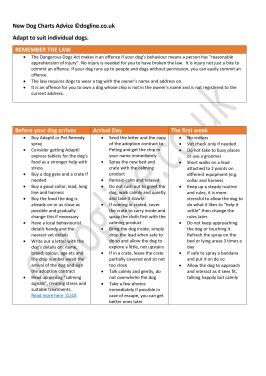
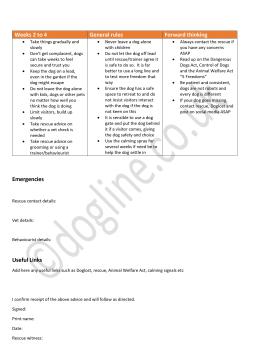
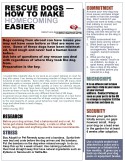
Make sure you have dog gates and/or a crate to give the dog a safe space. Do not invite the world to meet your new dog, give it a week or so. My plan for new dogs which I have given free to use to several rescues is here in this post. The general advice infograph is included at the top of the post.
Preparation and stress help is key to a successful new adoption.